 Provenance


The house tells you
exactly what it's worth.
Most buyers don't speak the language.
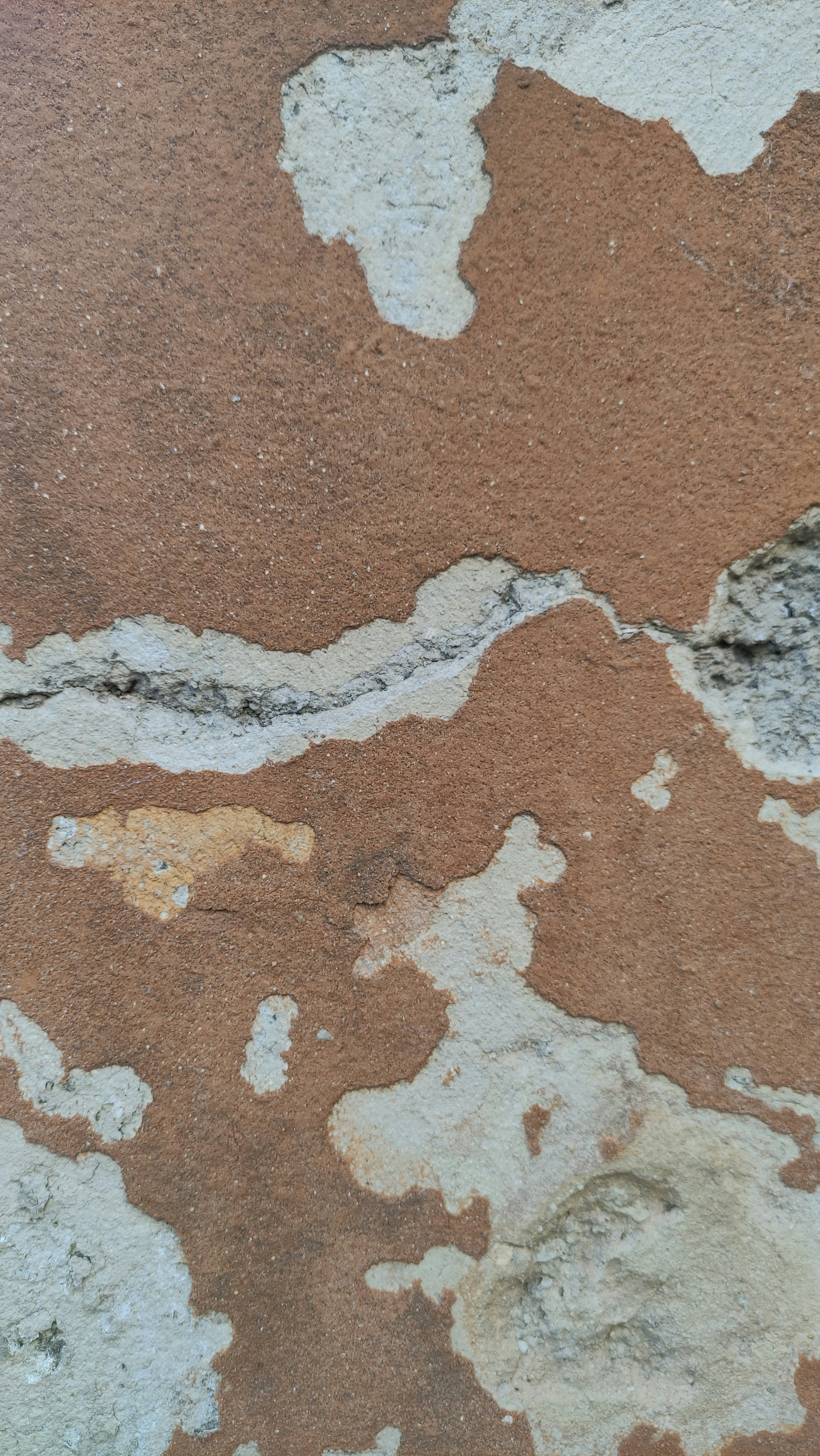
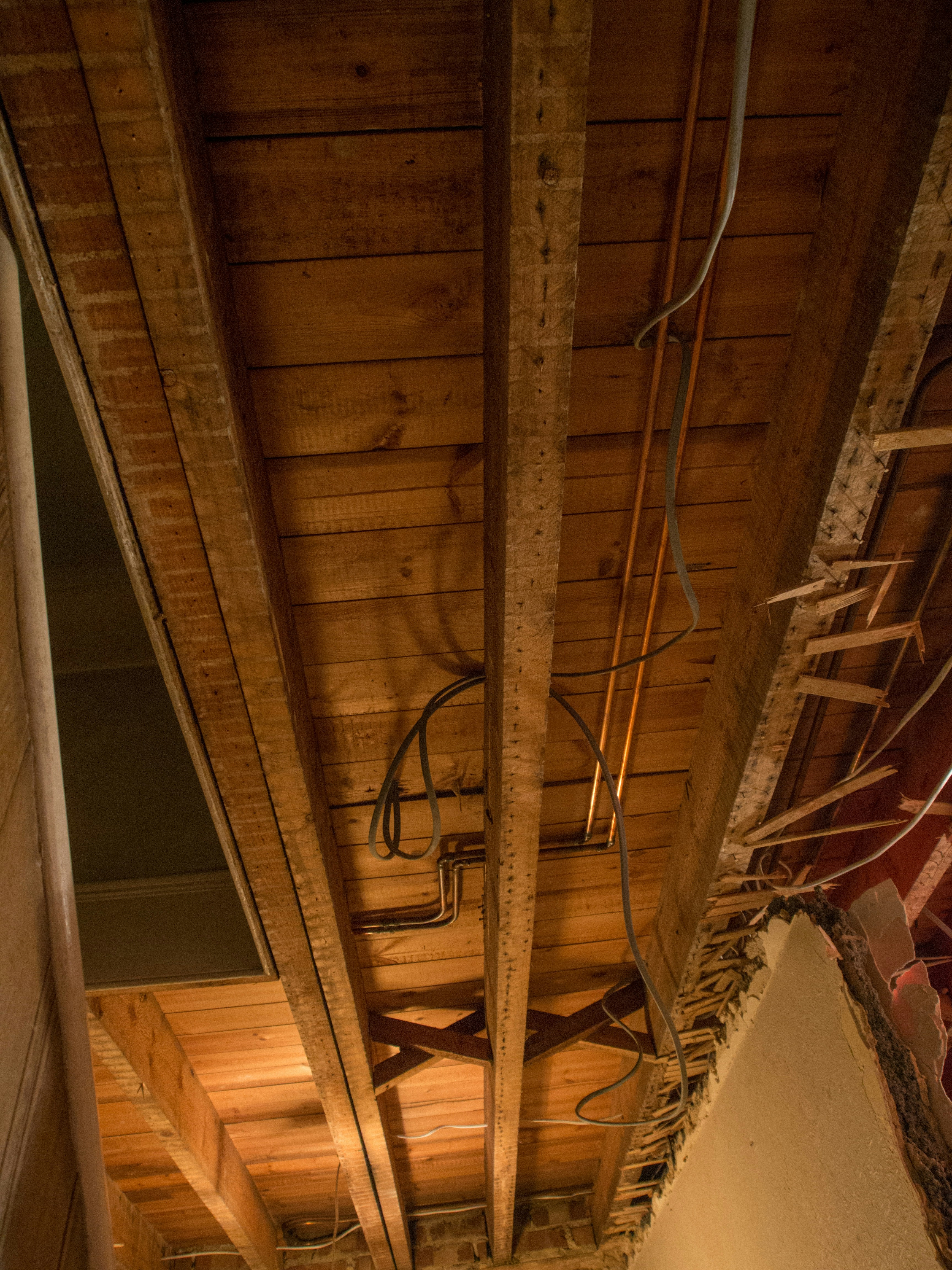
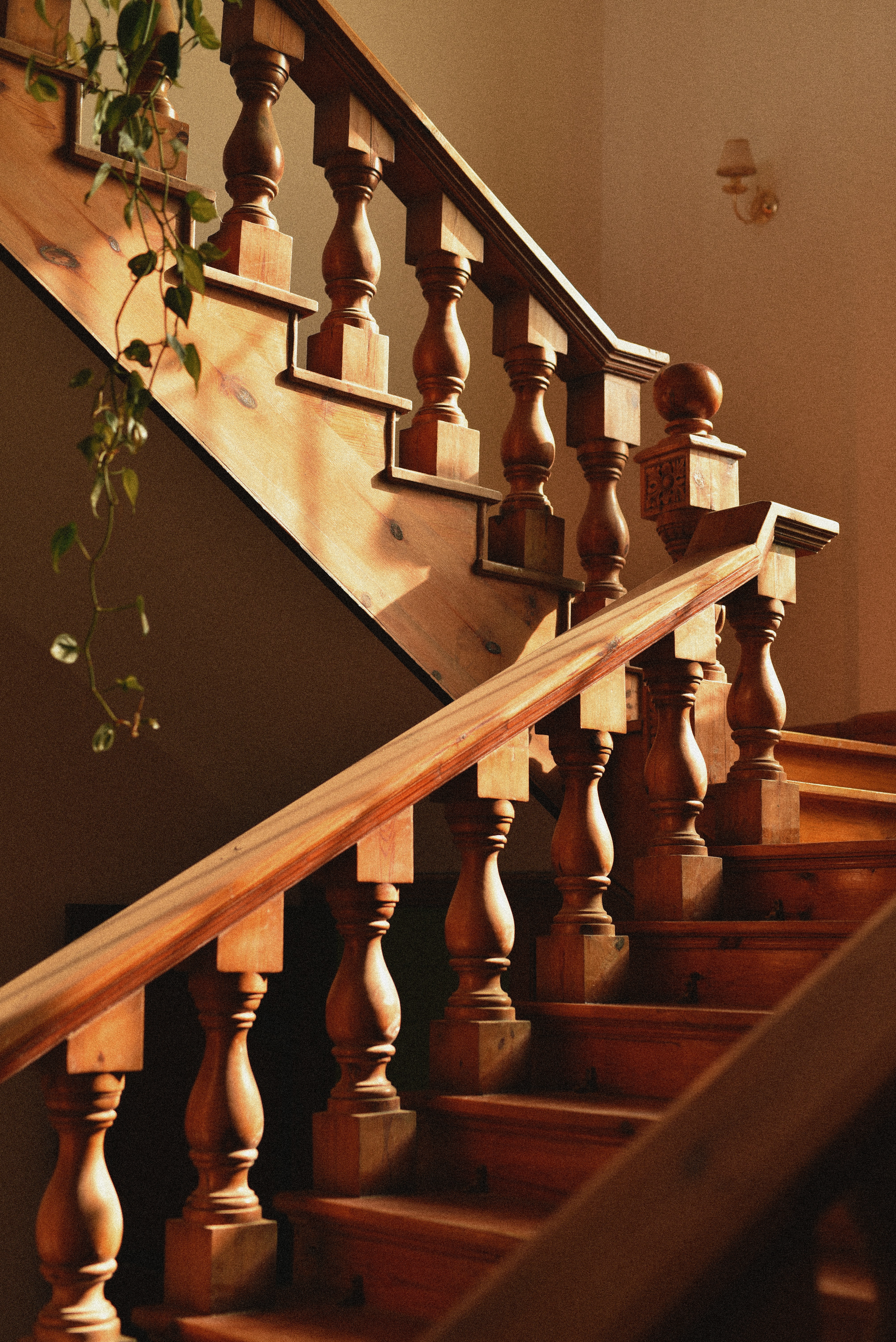
We walk every square foot before a number is written. Cracked plaster means three-coat lime — that's a state credit. A sagging header might be old-growth heart pine — that's forty thousand dollars of rehabilitation basis you almost missed. We translate the bones into a balance sheet.
Structural Material
Old-Growth Heart Pine
Subfloor joists — adds $38,000–$52,000 to rehabilitation basis
Window Condition
Original Wavy Glass, 84% intact
Preservation credit eligible — $14,200 estimated federal credit
Plaster Profile
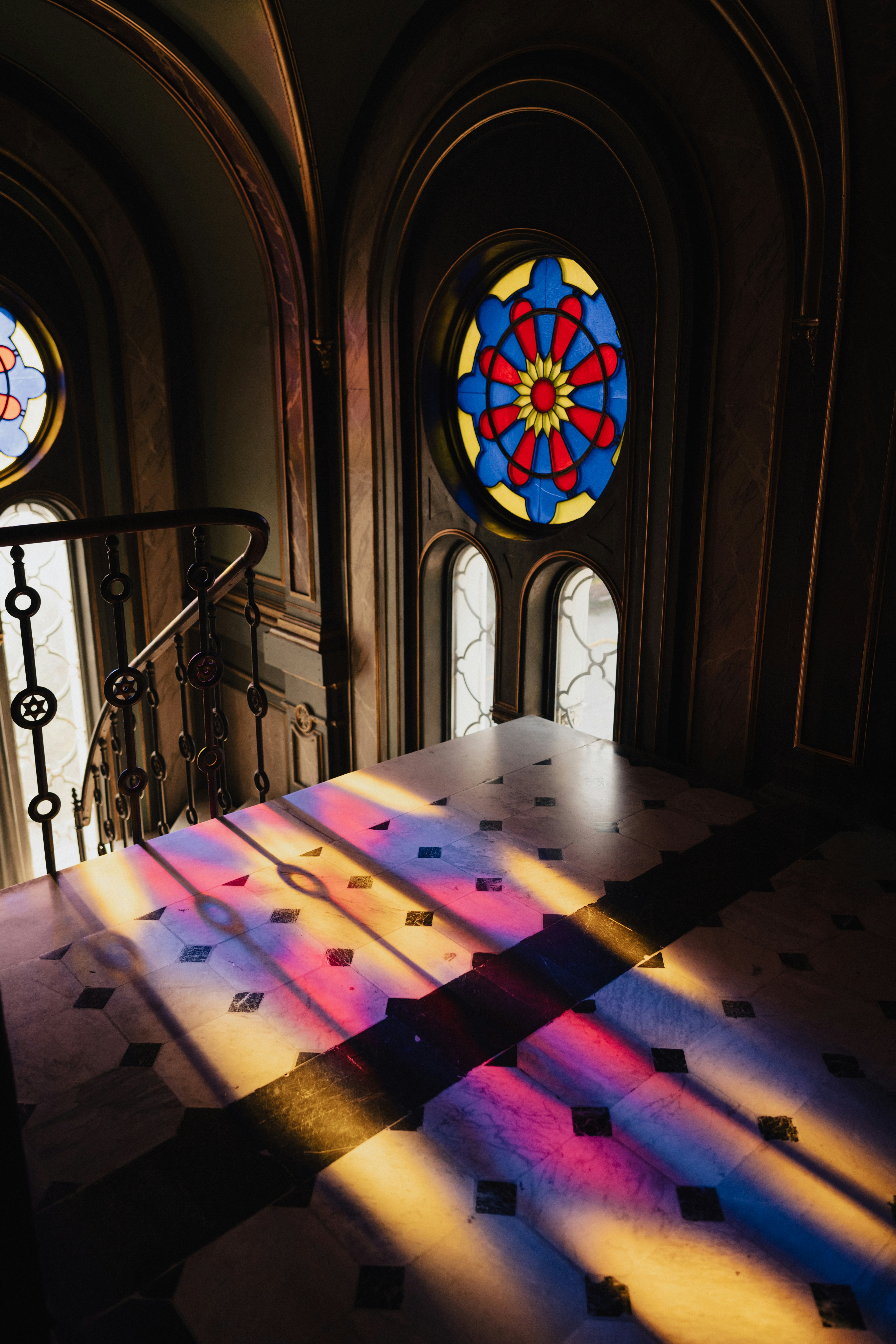
Three-coat lime, pre-1930
Qualifies for NY State Historic Preservation credit tier 2
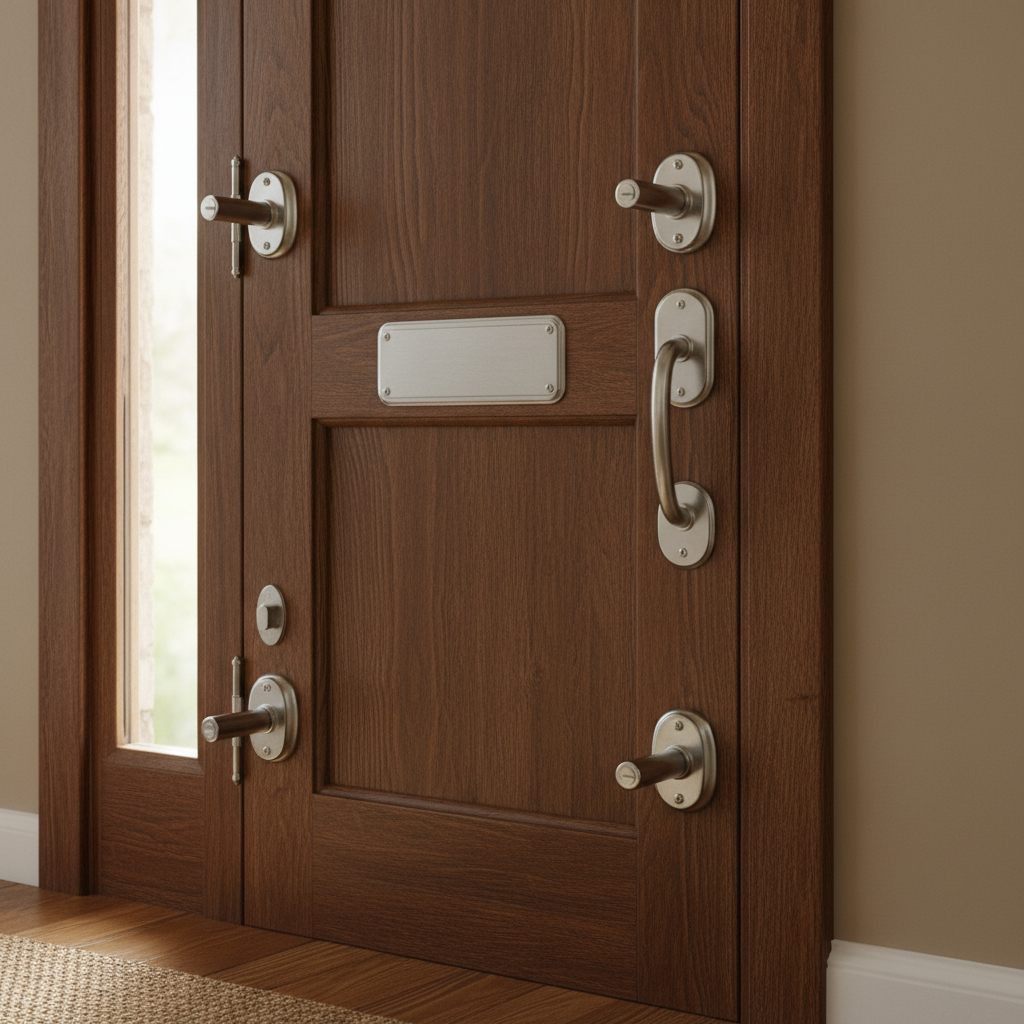
Ornamental Ironwork
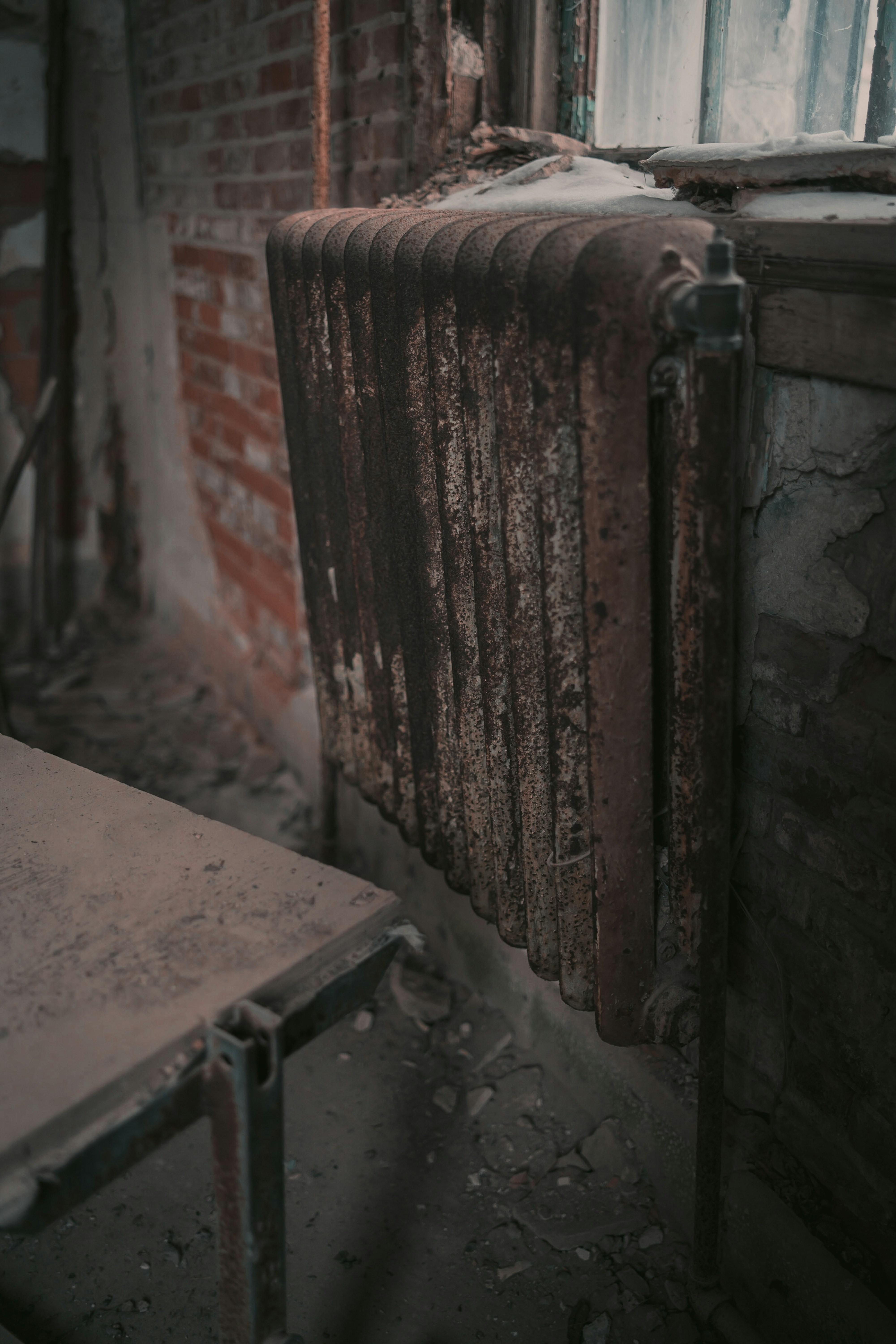
Cast-iron radiators, 6 original units
Salvage value $4,800 or retention credit $9,100 — retain is superior
Findings from a single walkthrough of a 1908 Colonial in Hudson Valley, NY
Three kinds of people
call us before they sign.
High-Net-Worth Buyers
You've found a neglected 1890s Victorian with good bones and a complicated past. Before you close, you need to know what the federal Part 1 designation is worth, whether the window replacement will void your credit, and what the actual rehabilitation basis looks like after soft costs.
Typical engagement: $2,400 — single-property pre-acquisition assessment
Estate Attorneys
An inherited Colonial has sat vacant for eleven years. The executor needs a credible number — not a broker's opinion of value, but a documented analysis of historic designation potential, deferred maintenance cost, and realistic net-to-estate after a qualified rehabilitation.
Typical engagement: $3,800 — estate liquidation package with comparable overlay
Small Fund Operators
You're assembling a portfolio of tax-credit-eligible landmarks across two states. You need a systematic methodology, not one-off appraisals. We build the underwriting framework, identify the credit stacks — federal 20%, state 25%, New Markets if applicable — and model the LP returns.
Typical engagement: $12,000–$28,000 — portfolio strategy retainer
1893 Rowhouse,
North Philadelphia
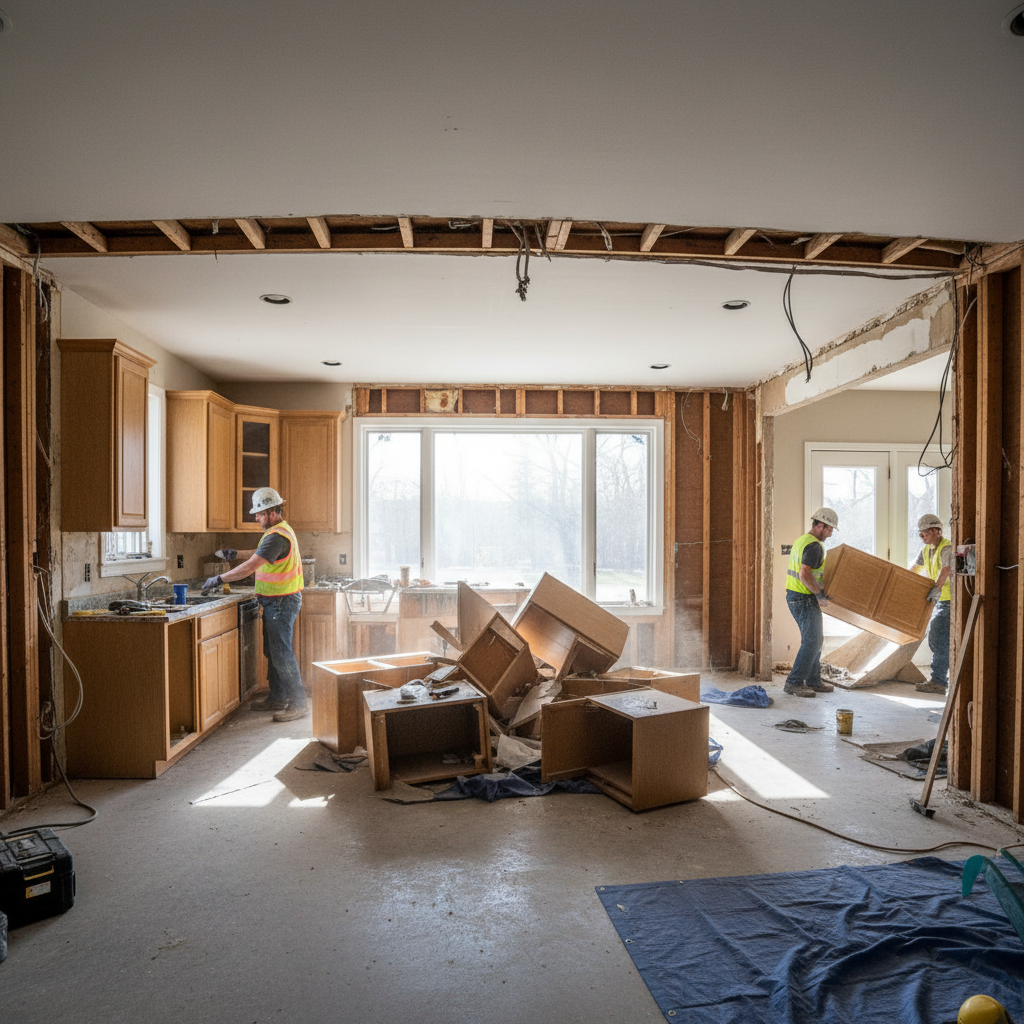
Fourteen years vacant. Inherited estate. The broker called it a teardown. We called it a qualified rehabilitation project with a federal credit stack and a Pennsylvania state overlay. Here's what the numbers actually looked like.
Acquisition Price
$214,000
1893 rowhouse, North Philadelphia — inherited estate sale, 14 years vacant
Rehabilitation Cost
$318,000
Qualified rehabilitation expenditure — eligible for full federal credit calculation
Federal Historic Tax Credit
$63,600
20% of QRE — monetized at 95¢ on the dollar through investor syndication
Pennsylvania State Credit
$79,500
25% PA Historic Preservation Tax Credit — applied against state liability
Net Effective Cost Basis
$389,000
After credit monetization — before appreciation or rental income
Exit Value (36 months)
$1.24M
Arms-length sale to preservation-focused buyer — confirmed comparable
Net Multiple on Invested Capital
3.2×
Federal credit + state credit + appreciation. 36-month hold. The broker's teardown returned $1.24M on $389K net basis.
The house has been waiting.
We'll tell you what it's worth.
A Provenance property assessment delivers a documented analysis of historic designation potential, rehabilitation credit stacks, and investment basis — before you commit to a single dollar.
Considering a property…
Not ready to assess yet?
Download our Historic Tax Credit Guide — a 14-page primer on federal Part 2 applications, state credit stacks, and how to identify credit-eligible properties before you make an offer.
No sales calls. One email with the guide. Unsubscribe any time.